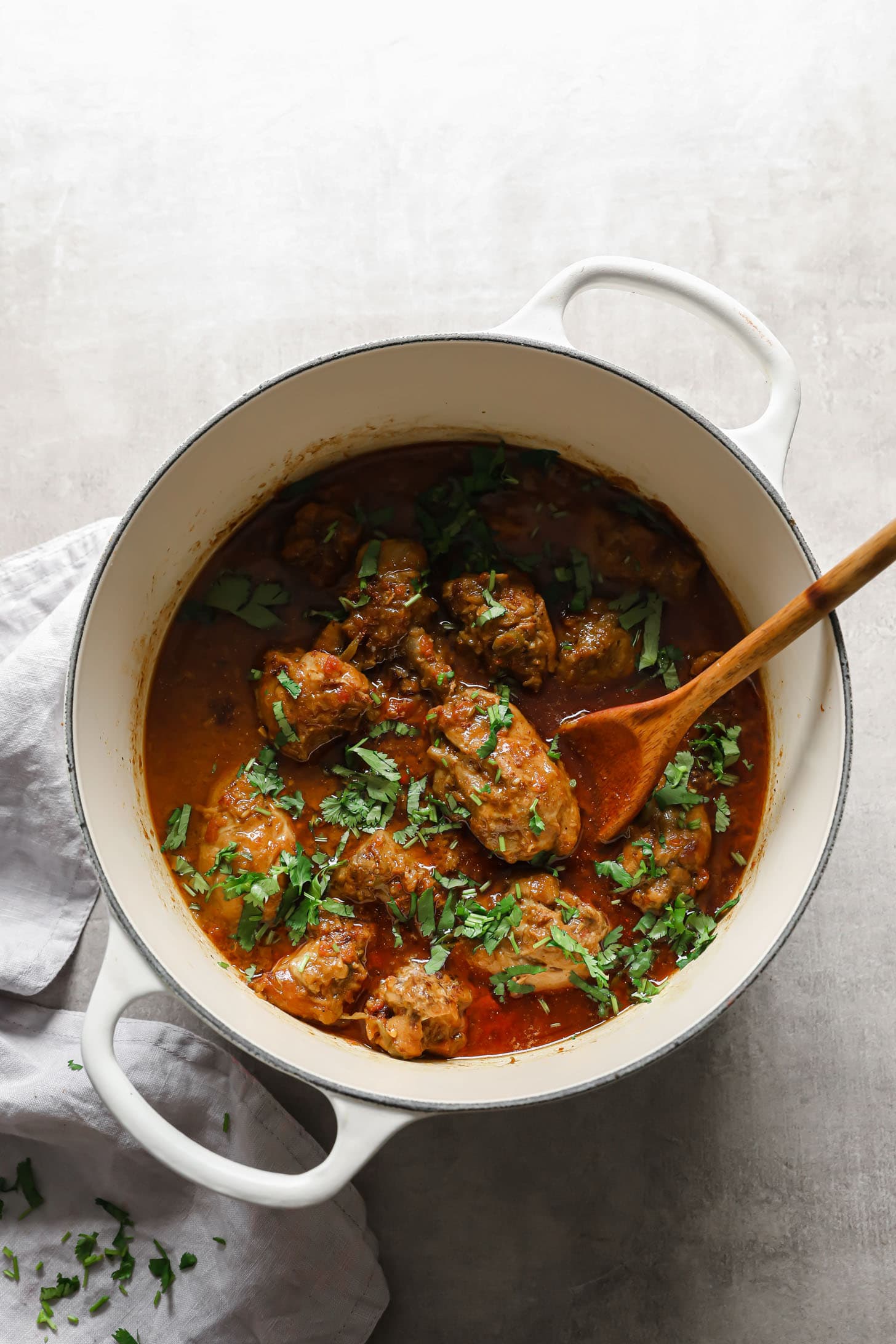
Unlocking Authentic Flavors: Your Guide to a Simple Chicken Curry Better Than Restaurants
Have you ever ordered a chicken curry at a restaurant, only to find it falls short of your expectations? Perhaps it lacks the depth, the vibrant aroma, or that elusive homemade touch. Many of us chase the dream of recreating the truly authentic Indian flavors we crave, often disappointed by overly generic or uninspired restaurant offerings. The good news? Crafting a simple chicken curry that rivals, or even surpasses, your favorite takeout is entirely within reach. Forget complex, multi-step recipes that intimidate; this guide focuses on time-honored techniques and a judicious use of spices to deliver a dish bursting with soul.
For those of us who grew up in homes filled with the intoxicating scent of Indian spices, the word "curry" evokes a comforting nostalgia. Interestingly, in India, "curry" isn't a single spice but rather a term for any dish featuring a rich, flavorful sauce. It’s the harmonious blend of various spices – coriander, cumin, chili, and more – that creates the magic. This understanding is the first step to truly appreciating and mastering Indian cooking at home. While many restaurants aim for consistency, they often sacrifice the nuanced, layered flavors that come from a patient, home-cooked approach. We're here to reclaim that authenticity.
The Quest for Genuine Home-Style Taste
The journey to mastering a truly authentic Indian dish often begins with a personal connection. For many, it's the memory of a parent's cooking – the kind of food that fills a home with warmth and an unforgettable aroma. Imagine walking into a house where the air is thick with the scent of simmering spices, instantly sparking a craving for something delicious. This is the essence of home-cooked Indian food. While the convenience of ordering out is undeniable, the disappointment of an inauthentic meal can be a strong motivator to learn to cook it yourself.
Learning to cook Indian food, especially a classic like Mom's Simple Chicken Curry: Authentic Indian Recipe Guide, can feel daunting. There's often a perception of endless spices and intricate steps. However, the truth is, the foundational techniques are remarkably straightforward. It's about understanding *why* certain steps are taken and *how* to coax the maximum flavor from each ingredient. Like many who've moved away from home, the necessity of recreating those beloved flavors quickly becomes apparent. It’s no longer just about convenience; it's about connecting with a culinary heritage and satisfying a deep-seated craving for genuine, soul-satisfying food.
Essential Ingredients for Your Simple Chicken Curry
The beauty of this simple chicken curry lies in its accessible ingredients, each playing a crucial role in building the flavor profile. Quality matters, so choose fresh whenever possible.
- Chicken Legs (1/2 kg): Opting for chicken legs (thighs and drumsticks) is key. They contain more fat and connective tissue than breast meat, which means they stay incredibly moist and tender during the slow cooking process, absorbing the curry's flavors beautifully. Patting them dry and seasoning with salt before searing is crucial for developing a rich crust and locking in juices.
- Oil (2 tbsp): A neutral oil like vegetable or canola is perfect for searing the chicken and building the base of the masala.
- Red Onions (1 large or 2 medium), sliced: Onions form the backbone of many Indian gravies. Slicing them allows for even caramelization. The patience to fry them until they “ooze oil and slightly brown” is perhaps the most important step for depth of flavor. This deep browning creates natural sweetness and complexity.
- Garlic (3 cloves), chopped: Freshly chopped garlic provides a pungent aromatic kick that is indispensable.
- Tomatoes (400g), chopped or 3/4 can: Tomatoes add tang, body, and moisture to the gravy. Whether you use fresh, ripe tomatoes or canned chopped tomatoes, ensure they are good quality. Cooking them down until their moisture evaporates and they become jammy is essential.
- Cumin (2 tsp): Whole cumin seeds, added to the hot oil, release a warm, earthy aroma that signals the start of your curry.
- Kashmiri Red Chillies (3 tsp): These chilies are prized for their vibrant red color and mild heat. They lend a beautiful hue to the curry without overwhelming the palate with spiciness, allowing other flavors to shine.
- Coriander Powder (2 1/2 tsp): Ground coriander is a foundational Indian spice, offering a citrusy, earthy, and slightly floral note. It adds body and aroma.
- Garam Masala (2 tsp): This aromatic blend of ground spices (often including cinnamon, cardamom, cloves, and black pepper) is typically added towards the end of cooking to preserve its delicate fragrance. We'll use half earlier for depth and half later for brightness.
- Chicken Stock or Water (1½ cups): Stock adds an extra layer of savory flavor, but water works perfectly well to create the gravy.
- Salt (to taste): Essential for balancing and enhancing all the flavors. Adjust throughout the cooking process.
- Fresh Coriander (to garnish): A sprinkle of fresh, chopped cilantro at the end provides a burst of freshness and visual appeal.
Crafting Your Masterpiece: The Method Demystified
The process of making this simple chicken curry is less about rigid adherence and more about understanding the stages of flavor development. Patience, particularly during the initial masala-building steps, is your best tool.
- Prepare Your Chicken: Start by patting your chicken legs thoroughly dry with paper towels. This helps achieve a better sear. Season them generously with salt and set aside.
- Sear for Flavor: Heat the oil in a shallow, wide pan over medium-high heat. Once shimmering, add the chicken legs and sear them until beautifully browned on all sides. This caramelization adds immense depth of flavor. Remove the seared chicken from the pan and set it aside; it will finish cooking in the gravy.
- Build the Aromatic Base: In the same pan, using the remaining flavorful oil, reduce the heat slightly and add the cumin seeds. Let them sizzle and become fragrant for about 30 seconds. Then, add the sliced red onions. This is where patience truly pays off. Fry the onions, stirring occasionally, until they become soft, deeply golden brown, and begin to “ooze oil.” This can take 10-15 minutes, but it's crucial for the curry's rich flavor and color. Now, add the chopped garlic and fry for another minute until fragrant.
- Introduce the Tomatoes: Add the chopped tomatoes to the pan. Cook them for 5-6 minutes, stirring occasionally, breaking them down with your spoon. You want to cook them until most of their moisture has evaporated and they start to thicken.
- Layer the Spices: Reduce the heat to low. Add the Kashmiri red chilies, coriander powder, and half of the Garam Masala to the pan. Cook these spices with the tomato-onion mixture for another 3-5 minutes, stirring constantly. The key here is to cook them until they become deeply fragrant and start to “ooze oil” again, indicating that the raw spice flavor has cooked out and the flavors have melded into a rich paste, known as the “bhunno.”
- Simmer the Gravy: Pour in the chicken stock or water and bring the mixture to a boil. Season with salt to taste.
- Cook the Chicken: Gently return the seared chicken legs to the pan, ensuring they are submerged in the gravy. Reduce the heat to low, cover the pan, and let it simmer for 15 minutes. This allows the chicken to cook through and absorb the delicious flavors.
- Thicken and Finish: After 15 minutes, remove the lid. If the gravy is too thin for your liking, increase the heat to medium-high and boil gently, stirring occasionally, until it reduces to your desired consistency. Remove the pan from the heat.
- Garnish and Serve: Stir in the remaining half of the Garam Masala (its fresh aroma will shine through). Garnish generously with fresh, chopped coriander. Serve your magnificent simple chicken curry hot with warm naan bread, fluffy basmati rice, or even a simple roti.
Tips for Achieving Restaurant-Beating Quality
- Don't Rush the Onions: This cannot be stressed enough. Properly caramelized onions are the secret weapon for a deep, sweet, and complex curry base.
- Cook Out the Spices: When you add the powdered spices, ensure you cook them with the tomato-onion mixture until the oil separates. This "bhunno" process removes any raw taste and unlocks their full aromatic potential.
- Taste and Adjust: Seasoning is a continuous process. Taste your curry before adding the chicken, and again before serving. Adjust salt and chili to your preference.
- The Power of Fresh: Fresh garlic, ginger (if you choose to add a little at the onion stage), and especially fresh coriander for garnish make a noticeable difference.
- Let it Rest: Like many stews and braises, curries often taste even better the next day as the flavors continue to meld and deepen.
There's an undeniable satisfaction in creating something truly delicious from scratch, especially when it evokes the comfort of home and surpasses the often-generic offerings of many restaurants. This simple chicken curry recipe is more than just a list of ingredients and steps; it's an invitation to explore the foundational techniques that make Indian cuisine so beloved. By understanding the role of each component and practicing patience, you'll be well on your way to cooking authentic, flavorful curries that will have your friends and family craving your kitchen over any restaurant.
